Peter Woo and Anna Wintour: Their Careers, Influence, and Connection to the Luxury Industry
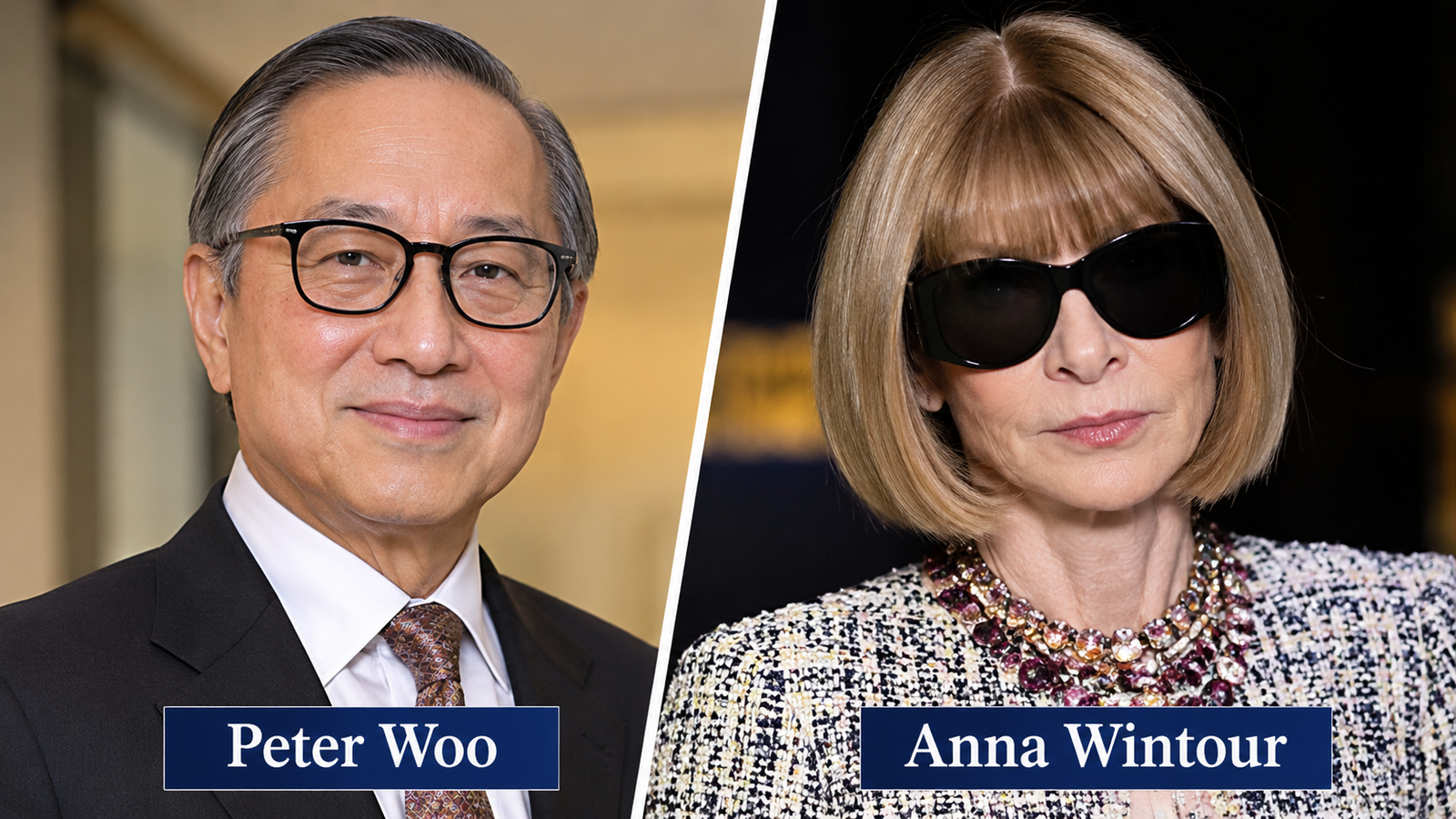
Peter Woo and Anna Wintour are influential figures whose careers intersect with the global luxury industry, although they are known for different achievements. Woo is a Hong Kong businessman associated with Wheelock, Wharf, property development, and luxury retail interests. Wintour is a British-born fashion editor who transformed American Vogue and became one of the most influential executives in international fashion media. Their professional worlds share an interest in luxury brands, consumer behavior, and the commercial value of fashion. However, reliable public sources do not establish that they are relatives, romantic partners, or participants in a significant joint business venture. The connection between peter woo and anna wintour is best understood through their respective roles in the wider luxury economy. Woo’s business interests help explain how luxury products reach consumers through retail and commercial property. Wintour’s editorial leadership demonstrates how fashion publications, designers, and cultural events influence public interest. Their careers provide two different perspectives on how luxury businesses develop, gain recognition, and maintain their position in changing markets.Quick Bio of Peter Woo and Anna Wintour
| Details | Peter Woo | Anna Wintour |
|---|---|---|
| Full Name | Peter K. C. Woo | Dame Anna Wintour |
| Date of Birth | 1946 | November 3, 1949 |
| Birthplace | Hong Kong | London, England |
| Nationality | Hong Kong Chinese | British-American |
| Profession | Businessman and Investor | Fashion Editor and Media Executive |
| Known For | Wheelock and Wharf | Vogue and Condé Nast |
| Education | University of Cincinnati, Columbia University | North London Collegiate School |
| Spouse | Bessie Pao | Previously married to David Shaffer |
| Industry | Real Estate, Investment, Luxury Retail | Fashion, Publishing, Media |
| Major Achievement | Leadership of Wheelock Group | Editor-in-Chief of American Vogue (1988–2025) |
| Current Association | Hong Kong business and investment | Global Editorial Director of Vogue |
| Relationship With Each Other | No verified direct relationship | No verified direct relationship |
Who Is Peter Woo?

Peter Woo is a prominent Hong Kong businessman and investor known for his leadership of Wheelock and Company and The Wharf (Holdings). Born in 1946, he studied at the University of Cincinnati and Columbia University before building a successful career in business and investment. He became chairman of Wheelock in 1986 and played an important role in the company’s growth across real estate, commercial property, and investment. His business interests are also connected to Hong Kong’s luxury retail industry through the wider Pao and Woo family business network. Woo is married to Bessie Pao, the daughter of shipping magnate Y. K. Pao. His career reflects decades of experience in corporate leadership, property development, and financial management. Peter Woo remains an influential figure in Hong Kong’s business history, particularly through his involvement in major commercial properties and investment enterprises.
Who Is Anna Wintour?
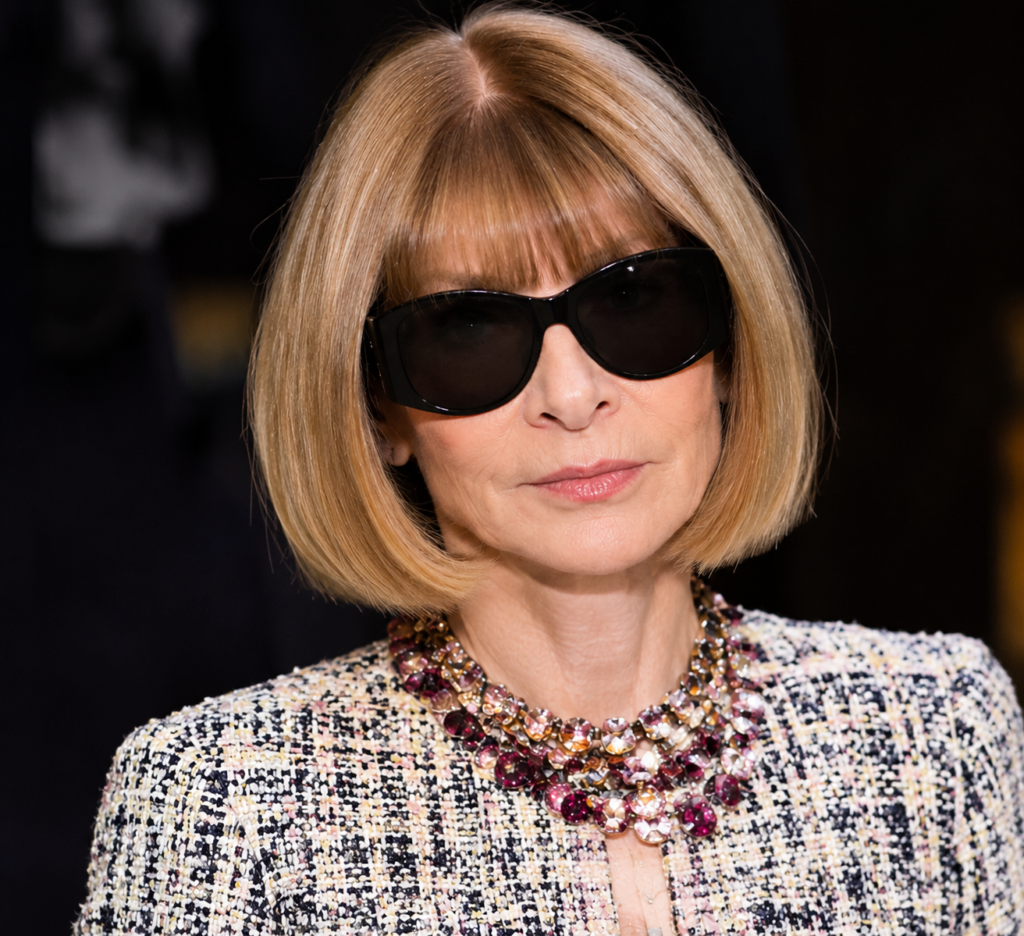
Anna Wintour is a British-American fashion editor and media executive best known for her long leadership of American Vogue. Born on November 3, 1949, in London, she began her career in fashion journalism before becoming editor-in-chief of British Vogue in 1985. In 1988, she took over American Vogue and helped transform it into one of the world’s most influential fashion publications. Her editorial decisions shaped fashion trends, supported emerging designers, and strengthened relationships between fashion, entertainment, and popular culture. She is also widely recognized for her leadership of the Met Gala, a major fundraising event benefiting the Metropolitan Museum of Art’s Costume Institute. In 2025, Wintour stepped away from her day-to-day role as American Vogue’s editor-in-chief while retaining her positions as global editorial director of Vogue and chief content officer of Condé Nast. Her influence continues across international fashion publishing and cultural events.
Are Peter Woo and Anna Wintour Related?
No reliable public evidence establishes a family relationship between the two figures. They come from different family backgrounds and developed their careers in separate professional environments. Woo’s family connections are documented through his marriage into the family of Hong Kong shipping businessman Y. K. Pao. Wintour was born in London and is the daughter of newspaper editor Charles Wintour. Her professional background is closely associated with British and American publishing. Neither connection provides evidence of a relationship between the two families. Some online searches combine prominent names because both individuals are associated with luxury, fashion, or influential business circles. Search results alone do not prove that two people know each other or share relatives. A credible biographical claim should identify a dependable source, such as an interview, official biography, or relevant public record. In the case of peter woo and anna wintour, the available evidence supports an industry comparison rather than a family connection.
Is There a Documented Business Partnership?
The reviewed official company information and established fashion-industry reporting do not identify a significant direct partnership between Woo and Wintour. This distinction matters because both have connections to the international luxury market. Woo’s business network includes retail and commercial property interests that serve consumers and brands. Wintour’s work at Vogue involves fashion coverage, designer relationships, cultural events, and media strategy. Businesses operating in these areas may participate in the same wider industry without having a joint venture. For example, a luxury retailer might stock a designer whose collection appears in Vogue. That commercial overlap would not prove that the retailer’s controlling shareholder and Vogue’s senior editor have a personal agreement. Similarly, attendance at a fashion event would not establish a business partnership without additional evidence. Any specific claim involving contracts, investments, or personal collaboration should be supported by reliable documentation. The most defensible conclusion is that their professional influence overlaps at an industry level, while a substantial direct business relationship remains unestablished.
Peter Woo’s Early Life and Education
Woo was born in 1946 and developed a career that eventually placed him among Hong Kong’s prominent business leaders. He studied at the University of Cincinnati in the United States and later earned a graduate degree from Columbia University. His education gave him exposure to business and international professional environments. Before becoming widely associated with Wheelock, he gained experience in finance and corporate management. These early stages are relevant because the businesses he later led required understanding investment decisions, property markets, and corporate strategy. Hong Kong’s economy was also changing rapidly during the period in which he developed his career. Trade, financial services, property, and international investment became increasingly important to the territory’s commercial growth. Woo’s professional experience placed him within this environment. His later responsibilities involved managing established businesses rather than developing a fashion publication or creative brand. That background helps explain why his influence in luxury is connected primarily to business ownership, retail infrastructure, and commercial assets.
The Role of Y. K. Pao in Woo’s Business Background
Peter Woo is married to Bessie Pao, a daughter of Hong Kong shipping magnate Sir Yue-Kong Pao, commonly known as Y. K. Pao. The family connection is relevant to the history of Wheelock and its development. Pao built a major international shipping business and became an influential figure in Hong Kong commerce. His business interests expanded into other sectors, including property and investment. Wheelock’s corporate history records the acquisition of control of the company by Pao’s World-Wide Shipping Group. Woo later became chairman and helped oversee its development. However, a family connection alone does not explain the operational work required to lead a major corporate group. Property investment, corporate restructuring, financing, and asset management require ongoing decisions. Woo’s business record therefore needs to be understood through both the family’s commercial history and his own executive responsibilities. This background differs considerably from Wintour’s route into fashion journalism, which developed through publishing and editorial experience.
Peter Woo’s Leadership at Wheelock
Wheelock and Company became a central part of Woo’s professional identity. According to the company’s corporate chronology, he was appointed chairman in 1986. The group developed interests in property, investment, and related commercial activities. Over time, Wheelock’s structure changed through acquisitions, restructuring, privatizations, and the management of subsidiaries. These activities are important because a large property and investment group cannot be understood solely through the value of its buildings. Its performance also depends on financing, market conditions, ownership arrangements, and the timing of major transactions. Woo’s leadership involved overseeing businesses with substantial assets and long investment horizons. Commercial property projects can require years of planning before they produce meaningful returns. Retail developments also depend on tenant demand, consumer spending, and location. These responsibilities help explain the business side of his connection to the luxury market. His influence came from managing the infrastructure and investments that support commercial activity, rather than from deciding which fashion collections receive editorial attention.
The Importance of The Wharf (Holdings)
The Wharf (Holdings) is another major company associated with Woo’s business career. Its history includes property, investment, and commercial operations connected with Hong Kong’s development. The company became part of the broader corporate group controlled through Wheelock. Wharf’s business activities have included major commercial properties and investment interests. Its history also reflects changes in Hong Kong’s economy, particularly the growth of retail, tourism, and property development. These sectors are closely connected because successful commercial districts attract businesses, visitors, and consumers. A shopping center’s value depends partly on its location and the quality of its tenants. The presence of well-known international brands can strengthen a retail destination’s reputation. However, luxury retail is only one element of a diversified property business. The company also faces wider market conditions, including interest rates, leasing demand, and economic growth. Woo’s involvement in Wharf therefore demonstrates how corporate investment can shape commercial environments without directly controlling the creative decisions of fashion designers or magazine editors.
How Property Development Connects With Luxury Fashion
Luxury fashion depends on more than clothing design and advertising. Brands need stores, attractive locations, distribution systems, and environments that reflect their identity. High-end shopping districts often contain carefully designed retail spaces, restaurants, hotels, and cultural attractions. Property developers and commercial landlords help create these settings. Their decisions affect where brands can operate and how customers experience shopping. A luxury boutique in a major shopping center may benefit from nearby restaurants, other premium retailers, and convenient transport connections. The property owner benefits when strong tenant demand supports rental income and long-term asset value. This relationship explains why a businessman such as Woo can be relevant to the luxury industry without working as a fashion designer. His business interests connect to the physical side of luxury commerce. Wintour’s influence operates through a different channel: the presentation of fashion, recognition of designers, and development of cultural attention. The two roles are complementary within the wider market, but they do not establish a personal partnership.
Woo’s Connection to Luxury Retail
The wider Pao and Woo family business network has been associated with prominent Hong Kong retail interests, including the Lane Crawford Joyce Group. Lane Crawford is known as a luxury department store business, while Joyce has a history of presenting international designer fashion. These retail businesses occupy a different position from property development. They select merchandise, manage customer relationships, and create shopping experiences. Their commercial success depends on understanding consumer preferences and maintaining relationships with fashion brands. Luxury retailers must also respond to changing demand, competition from online platforms, and shifts in tourist spending. The presence of these retail interests helps explain why Woo’s name may appear in discussions of fashion and luxury business. However, family-associated retail ownership should not be confused with a personal editorial role. Woo is not known for selecting Vogue covers or directing its fashion coverage. The distinction between retail influence and editorial influence is essential when comparing peter woo and anna wintour.
Anna Wintour’s Early Life and Family Background
Anna Wintour was born in London on November 3, 1949. Her father, Charles Wintour, was an influential newspaper editor associated with London’s Evening Standard. Growing up in a family connected with journalism exposed her to publishing and the role of editors in shaping public discussion. She developed an interest in fashion while young and pursued work in the industry rather than following a conventional university-based professional path. Her early career involved fashion journalism in Britain before she moved into increasingly important editorial positions. The publishing industry at that time relied heavily on print magazines, professional photographers, designers, advertisers, and established distribution networks. Editors played a central role in selecting the images and stories that readers encountered. Wintour’s later success grew from her understanding of both fashion and the commercial realities of magazines. Unlike Woo, whose career centered on investment and corporate assets, Wintour developed influence through editorial choices, relationships with creative professionals, and the management of a powerful media brand.
Anna Wintour’s Early Career in Fashion Journalism
Wintour’s professional development included work at British fashion magazines and later positions in American publishing. She gained experience at publications including Harper’s & Queen, Harper’s Bazaar, and New York magazine. These roles allowed her to develop editorial judgment and understand how magazines communicate fashion to readers. Editorial work requires more than selecting attractive photographs. It involves planning issues, commissioning stories, managing contributors, and understanding what audiences find relevant. A successful fashion editor must also recognize emerging designers and changing cultural tastes. Wintour became known for a strong editorial point of view and an interest in connecting fashion with broader public culture. Her experience in different publishing environments prepared her for leadership at Vogue. She eventually became editor-in-chief of British Vogue in 1985 before moving to American Vogue in 1988. Her career illustrates how influence can develop through creative decisions and organizational leadership rather than through direct ownership of fashion brands.
How Anna Wintour Transformed American Vogue
Wintour became editor-in-chief of American Vogue in 1988. Her appointment marked an important change in the magazine’s direction. She brought a distinctive approach to fashion presentation, combining luxury clothing with more accessible styling and a broader sense of contemporary culture. The November 1988 cover featuring model Michaela Bercu became a well-known example of this approach. The image paired an expensive designer jacket with jeans, challenging conventional expectations about how luxury fashion should appear on a magazine cover. Over the following decades, Vogue expanded its cultural influence through photography, celebrity coverage, designer relationships, and major fashion events. Wintour also became associated with supporting emerging creative talent. Her editorial choices helped determine which designers and trends received international attention. However, Vogue’s success depended on large teams of editors, photographers, writers, stylists, and business professionals. Her importance lies in directing and coordinating this work over many years. The resulting influence extended beyond magazine sales into fashion marketing and cultural recognition.
The Commercial Power of Vogue
Vogue operates as both a fashion publication and a media brand. Its value comes partly from editorial reputation, audience trust, advertising relationships, and cultural influence. Fashion brands seek visibility in publications that reach consumers interested in clothing, beauty, and luxury products. Editorial coverage can introduce designers to new audiences and help shape public discussion about style. However, editorial attention and paid advertising are not the same thing. Responsible publishing requires clear distinctions between independent editorial decisions and commercial partnerships. Under Wintour’s leadership, Vogue became closely associated with major designers, photographers, models, and cultural figures. Its influence expanded through digital publishing, video, events, and international editions. This growth reflects changes in how audiences consume fashion information. Print magazines remain part of the brand, but online platforms allow fashion coverage to reach readers more quickly. Wintour’s professional role therefore involves both creative judgment and the management of a global media organization. That combination differs from the investment and property responsibilities associated with Woo.
The Met Gala and Wintour’s Cultural Influence
The Met Gala is an annual fundraising event benefiting the Costume Institute at New York’s Metropolitan Museum of Art. Wintour has played a major leadership role in the event since the 1990s. Over time, the gala became one of the world’s most closely watched fashion occasions. Its influence extends beyond the museum because designers, celebrities, photographers, and media organizations participate in the surrounding cultural discussion. Each event is associated with a theme connected to the Costume Institute’s exhibition program. Guests often wear clothing designed to interpret or respond to that theme. The event generates attention for fashion as a form of artistic expression and supports the museum’s work. Its commercial visibility also demonstrates how cultural events can create value for designers and media brands. Wintour’s involvement reflects her ability to connect fashion, philanthropy, entertainment, and public interest. Woo’s professional world approaches luxury from a different direction, through commercial assets and retail activity. The contrast helps explain why peter woo and anna wintour are relevant to the same broad industry without having identical responsibilities.
Wintour’s Expanding Role at Condé Nast
Wintour’s responsibilities grew beyond American Vogue as Condé Nast reorganized its global editorial operations. She became global editorial director of Vogue and chief content officer of Condé Nast, overseeing editorial strategy across numerous international brands. This structure reflected the changing economics of publishing. Media companies increasingly coordinate content, technology, audience development, and commercial strategy across different markets. A global leadership role can support consistent editorial standards while allowing local teams to respond to regional audiences. It also creates challenges because fashion interests and cultural expectations differ between countries. Vogue editions in the United States, Europe, Asia, and other markets serve readers with different tastes and priorities. Wintour’s expanded position requires balancing global brand identity with regional editorial judgment. The responsibility is different from managing a single print magazine. It also demonstrates how her career evolved from direct editorial production toward broader organizational leadership. Her continuing influence should therefore be assessed through her current responsibilities rather than only her historic editor-in-chief title.
What Changed at Vogue in 2025?
In June 2025, Condé Nast announced that American Vogue would appoint a new head of editorial content. The change ended Wintour’s long period as the publication’s day-to-day editor-in-chief. However, it did not mean she left Vogue or retired from fashion media. She retained her roles as global editorial director of Vogue and chief content officer of Condé Nast. In September 2025, Chloe Malle was named head of editorial content for American Vogue. The new arrangement gave Malle responsibility for daily editorial operations while Wintour continued overseeing the wider organization. This distinction matters because headlines describing Wintour as stepping down can create the impression that she no longer holds a leadership position. Her responsibilities instead shifted toward global strategy, editorial oversight, and major cultural initiatives. The transition also reflects a wider publishing trend toward coordinated international management. Any current biography should explain this leadership change rather than continue describing Wintour solely as American Vogue’s editor-in-chief.
Why Hong Kong Matters to Global Luxury
Hong Kong has long played an important role in international commerce, finance, tourism, and luxury retail. Its position as a major commercial center helped attract international brands and consumers. Shopping districts and large retail developments became important parts of its economy. Businesses associated with Woo operate within this broader environment. Commercial property owners can benefit from strong demand for retail space, while retailers depend on consumer confidence and visitor spending. However, luxury demand is not constant. Economic conditions, exchange rates, tourism patterns, and changes in consumer preferences can affect sales. Hong Kong’s luxury market has also faced competition from other shopping destinations and online retail platforms. Understanding these conditions provides useful context for Woo’s business interests. His commercial influence should be examined through the assets and companies involved rather than through an assumed personal role in global fashion publishing. The city illustrates how physical infrastructure and international trade support the luxury economy.
How Fashion Media Influences Luxury Buying
Fashion media can affect how consumers discover designers, understand trends, and evaluate brands. Magazine features, runway coverage, interviews, and photography introduce products within a wider cultural setting. A designer may gain recognition after appearing in a respected publication, but that attention does not guarantee commercial success. Consumers also consider price, quality, personal taste, availability, and brand reputation. Fashion media is one part of a much larger buying process. Wintour’s editorial leadership has been influential because Vogue reaches audiences interested in fashion and culture. The publication can help shape discussion about designers and emerging styles. Retail businesses then operate within the market where consumer interest may translate into purchases. This is one reason the careers of peter woo and anna wintour can be compared meaningfully. One side of the industry involves presenting fashion and building cultural awareness. Another involves making products available through stores and commercial spaces. These activities are connected economically, even when no direct agreement exists between the individuals involved.
Luxury Retail and Fashion Publishing: Two Different Business Models
Luxury retailers and fashion publishers earn revenue in different ways. A retailer generally generates income by selling merchandise or through related commercial services. It must manage inventory, suppliers, store operations, staffing, and customer relationships. A publisher earns revenue through activities such as advertising, subscriptions, licensing, and events, depending on its business model. It must manage editorial production, audience engagement, technology, and commercial partnerships. Both businesses rely on reputation, but they face different financial risks. A retailer may lose money when expensive inventory remains unsold. A publisher may struggle when advertising demand weakens or audience habits change. Luxury shopping centers face additional risks involving property costs, leasing, and economic conditions. These differences help explain the professional contrast between Woo and Wintour. Woo’s associated businesses operate within property, investment, and retail structures. Wintour leads editorial and media activities. Comparing the two without acknowledging their business models would produce an incomplete picture.
The Role of Brand Reputation in Both Careers
Reputation is a valuable asset in both commercial property and fashion publishing. A respected shopping destination can attract premium tenants, while a trusted fashion publication can attract readers, advertisers, and creative contributors. Maintaining that reputation requires consistent decisions over time. Property owners must consider location, building quality, tenant selection, and long-term maintenance. Retail businesses must manage service, product selection, and customer experience. Fashion publishers must protect editorial quality and adapt to cultural changes. Wintour’s long career at Vogue illustrates how a recognizable editorial identity can become associated with an entire publication. Woo’s corporate history illustrates the importance of established business relationships and long-term asset management. Yet reputation also creates pressure. A successful brand must continue meeting expectations as markets change. The comparison between peter woo and anna wintour is therefore useful for understanding how different industries build and protect credibility, even though their methods of doing so are not the same.
How Technology Has Changed Their Industries
Technology has transformed both luxury retail and fashion publishing. Online shopping allows consumers to compare products and purchase from brands without visiting physical stores. This creates competition for traditional retailers and changes the role of shopping centers. Physical destinations increasingly need to offer experiences that cannot be reproduced easily online. Fashion publishing has experienced a similar shift. Readers can now access runway images, interviews, videos, and fashion commentary through websites and social platforms. Print magazines compete for attention with digital creators and direct communication from fashion brands. These developments affect the businesses associated with Woo and the media organization led by Wintour. However, the challenges are not identical. Retailers must coordinate inventory, delivery, store experiences, and digital sales. Publishers must manage content production, audience engagement, and digital revenue. Both sectors must adapt while preserving the qualities that make their brands distinctive. Their responses illustrate different forms of business transformation within the same global luxury economy.
Leadership Styles and Professional Responsibilities
Woo and Wintour developed influence through very different forms of leadership. Woo’s career involves corporate governance, investment decisions, and the management of businesses with substantial physical and financial assets. Such leadership requires attention to market conditions, capital allocation, and organizational structure. Wintour’s career involves editorial direction, talent development, creative judgment, and global media management. Her decisions affect the stories, images, and cultural discussions associated with Vogue and other Condé Nast brands. Both roles require long-term planning and the ability to respond to change. However, a successful property investment cannot be evaluated using the same standards as an editorial decision. Property performance may depend on rental income, asset values, and development costs. Editorial success may involve audience engagement, cultural relevance, and commercial sustainability. Neither profession can be reduced to a single measure. Understanding peter woo and anna wintour as leaders means examining the responsibilities they actually held instead of applying a generic definition of business success.
Public Recognition and Personal Privacy
Prominent business figures often attract curiosity about their families, finances, and private relationships. However, public recognition does not make every personal detail relevant to a professional biography. Woo’s family background is important where it helps explain the history of his business interests. Wintour’s family connection to journalism is relevant to understanding her early exposure to publishing. Beyond those documented details, speculation about private friendships or relationships adds little value. The same principle applies when two famous names appear together in online searches. A claim that they attended the same event, exchanged business advice, or maintained a personal relationship requires evidence. Without that evidence, it should not appear as an established fact. Public biographies are strongest when they distinguish professional achievements from private matters. In the case of peter woo and anna wintour, the most useful information concerns their careers, organizations, and influence on luxury commerce. Unsupported personal stories would weaken rather than improve the article.
Why Their Names May Appear Together Online
Search engines sometimes display pages that combine names without explaining why those people are associated. A shared industry, similar level of public recognition, or repeated online phrase can produce search interest. That does not mean the people have a meaningful relationship. Woo’s connections to luxury retail provide a plausible reason for comparison with Wintour, whose work centers on fashion media. Both are influential within business environments that serve international luxury consumers. Yet this is a contextual connection rather than proof of direct collaboration. Readers should be cautious about articles that promise an undisclosed friendship or partnership without identifying original sources. An accurate explanation should begin with documented professional facts. It should then describe the broader industry relationship without inventing personal interactions. The comparison between peter woo and anna wintour is valuable because it highlights two parts of the luxury economy: the commercial systems that sell premium products and the media institutions that influence how fashion is understood.
Frequently Asked Questions
1. Are Peter Woo and Anna Wintour married?
No reliable public source identifies Peter Woo and Anna Wintour as spouses. Woo is married to Bessie Pao, and Wintour has her own separately documented family history.
2. Do Peter Woo and Anna Wintour work together?
The reviewed sources do not establish a significant direct business partnership. Their professional activities overlap broadly through luxury retail, fashion, and international commerce.
3. What is Peter Woo best known for?
Woo is best known for his leadership of Wheelock and his involvement with The Wharf (Holdings), property investment, and related business interests in Hong Kong.
4. Is Anna Wintour still working at Vogue?
Yes. Following the 2025 leadership change, she retained her position as global editorial director of Vogue and chief content officer of Condé Nast. Chloe Malle became head of editorial content for American Vogue.
5. Does Peter Woo own Vogue?
No. Vogue is a Condé Nast publication. Woo is associated with separate business interests involving property, investment, and retail.
6. Why are Peter Woo and Anna Wintour compared?
Their careers illustrate different parts of the luxury industry. Woo’s business interests connect to retail and commercial property, while Wintour’s influence comes through fashion journalism and global media leadership.
Conclusion
Peter Woo and Anna Wintour have built influential careers in different areas of international business. Woo is associated with Hong Kong property development, investment, and luxury retail interests. Wintour became a defining figure in fashion publishing through her leadership of Vogue and her wider responsibilities at Condé Nast. Their professional worlds connect through the luxury economy, where commercial spaces, retailers, designers, and media organizations all contribute to consumer experiences. However, reliable public evidence does not establish a significant direct partnership or family relationship between them. The most accurate way to understand peter woo and anna wintour is to examine their individual achievements and the distinct roles they play in the industries connected to luxury fashion.